Basement Waterproofing NJ for Basements With Persistent Condensation
A basement can look dry and still have a moisture problem. That is where many New Jersey homeowners get tripped up. They walk downstairs, see no puddles, no obvious seepage, no stained carpet, and assume everything is fine. Meanwhile, the windows sweat, the concrete feels clammy, stored boxes soften at the corners, and that familiar musty odor settles into everything from holiday decorations to laundry. Persistent condensation is often dismissed as a small nuisance. In practice, it is usually a sign that the basement is stuck in the wrong moisture balance.
I have seen basements where the owner spent money on paint, shelving, and a dehumidifier, only to discover six months later that the rim joists were damp, the metal ductwork was dripping, and mold had started behind finished walls. Condensation is not always a leak, but it is never something to ignore. If the air is wet enough, or the surfaces are cold enough, moisture will collect. Once that cycle starts, it creates its own set of problems, even in a basement that has never taken on standing water.
For homeowners searching for Basement Waterproofing NJ services, this distinction matters. Waterproofing is not just about stopping water from rushing through a foundation crack. It is also about controlling the conditions that let moisture build up day after day. In New Jersey, where summer humidity can be brutal and many homes have older foundations, mixed construction, and partially below-grade spaces, that broader view is essential.
Why condensation shows up in otherwise "dry" basements
Condensation happens when warm, moisture-laden air meets a surface that is cool enough to drop that moisture out of the air. Basements are perfect candidates for this because the walls and slab stay cooler than the rest of the house for much of the year. Add humid outdoor air, unsealed air leaks, poor insulation, or a dryer vent issue, and moisture starts collecting on whatever surface reaches dew point first.
Sometimes the signs are obvious. Water beads form on cold water pipes, supply ducts sweat, and basement windows fog on humid days. Other times, the clues are subtle. Cardboard boxes feel damp. Leather and fabric take on a stale smell. Paint on concrete walls blisters. Vinyl flooring starts lifting. Finished basements may show swelling at baseboards or slight discoloration at lower drywall seams.
What throws people off is that condensation can mimic a leak, and leaks can masquerade as condensation. I have walked into basements where a homeowner pointed to wetness on the wall and insisted groundwater was pushing through, when the real culprit was interior humidity condensing on a cool painted block wall. I have also seen the reverse, where someone blamed "just humidity" and kept emptying a dehumidifier while hydrostatic pressure was quietly forcing water through the cove joint.
That is why good basement waterproofing work starts with diagnosis, not guesswork.
New Jersey basements have their own moisture patterns
The phrase Basement Waterproofing NJ is broad, but regional conditions do matter. New Jersey homes sit on a wide range of soil types and foundation styles. North Jersey properties often deal with older stone or block foundations, sloping lots, and freeze-thaw cycles that open up cracks over time. Central and South Jersey homes may face high water tables, heavy clay pockets, poor grading, or coastal humidity that keeps basements damp for long stretches.
Seasonal swings play a big role. In late spring and summer, outdoor air can carry a lot of moisture. When that air enters a cool basement through open windows, leaky bulkhead doors, unsealed sill plates, or return air pathways, condensation can spike fast. Homeowners think they are airing the basement out, but they are often importing moisture. On the other hand, winter can bring a different set of issues. Warm indoor air escaping into cold basement cavities can condense inside walls or around band joists, especially in finished spaces with poor insulation details.
The age of the housing stock matters too. Many older basements were never designed to be conditioned living space. They were utility zones. Once people start using them as family rooms, gyms, home offices, or storage for sensitive belongings, the moisture standard changes. What was "normal for an old basement" twenty years ago becomes unacceptable when drywall, laminate flooring, and upholstered furniture move in.
Condensation is a symptom, not the whole problem
One of the biggest mistakes in basement work is treating the visible moisture while ignoring the system that created it. If a dehumidifier is running constantly but the basement still feels wet, there is usually an underlying reason. It could be bulk water entry, humid air infiltration, insufficient drainage, missing vapor control, or simply a basement that was finished with the wrong materials.
A basement with persistent condensation usually falls into one of three categories. The first is a space with high indoor humidity and cold surfaces. The second is a basement with hidden water intrusion that is raising ambient moisture levels. The third is a mixed case, which is more common than most people think. The basement may have no dramatic flooding, but groundwater seepage, damp foundation walls, and humid summer air combine to keep the relative humidity elevated.
This is why the phrase waterproofing can be misleading if it is interpreted too narrowly. A competent contractor should look at exterior drainage, interior water management, vapor movement, insulation strategy, and mechanical humidity control as parts of one moisture plan.
What a proper inspection should look for
A useful basement inspection goes beyond checking for cracks. It asks where the moisture is coming from, when it appears, and what changes the amount of wetness. Timing matters. If the basement gets clammy only during hot weather, that points in one direction. If the walls darken after heavy rain, that points in another. If condensation collects around ducts whenever the air conditioner runs, there may be an air leakage or insulation issue layered on top.
A thorough inspection usually focuses on a short set of clues:
- Relative humidity levels, surface temperatures, and where condensation forms first.
- Signs of exterior water pressure, including wall staining, efflorescence, cove seepage, and floor cracks.
- Air leakage points at rim joists, windows, utility penetrations, and basement access doors.
- Drainage conditions outside, including grading, downspouts, gutter discharge, and settled hardscaping.
- Existing basement finishes, especially carpet, wood framing against masonry, and insulation placed incorrectly.
None of those items can be judged in isolation. A sweating duct may be about humidity, but it can also point to underinsulated metal or an oversized air https://felixazge236.image-perth.org/basement-waterproofing-nj-for-basements-with-persistent-condensation conditioning run that keeps surface temperatures low. Efflorescence on a wall may show past seepage, but if the wall is also painted with a non-breathable coating, that finish could be trapping moisture and changing how it dries.
The difference between waterproofing and moisture control
Homeowners often ask whether they need waterproofing or just a dehumidifier. The truthful answer is that these solve different problems. A dehumidifier removes moisture from air that is already inside the basement. Waterproofing and drainage measures try to limit how much moisture gets in and where it goes once it arrives.
If the basement has persistent condensation, relying on dehumidification alone can turn into a losing battle. It is like trying to dry out a room while leaving the window open during a thunderstorm. Mechanical drying helps, but source control always matters more.
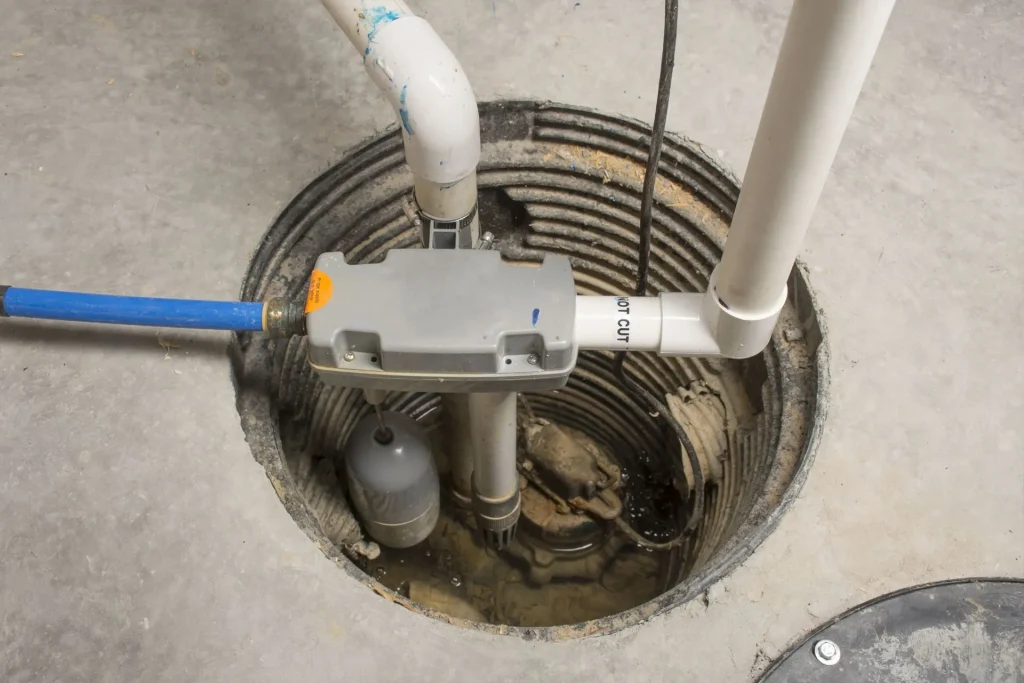
In practical terms, Basement Waterproofing NJ work for condensation-prone basements may involve several layers. Exterior grading may need correction so water moves away from the foundation. Gutters and downspouts may need extension because roof runoff is saturating the soil beside the house. Interior perimeter drainage may be necessary if groundwater is reaching the footing area. A sump system may need to be installed or upgraded. Wall surfaces may need vapor-appropriate treatment. Rim joists may need air sealing and insulation. Then, once those structural and envelope issues are addressed, a dedicated dehumidifier may be added to keep humidity in the target range.
That target range is usually around 45 to 55 percent relative humidity for many basements, though the right number depends on season, basement use, and whether the space is finished. Push humidity too high and condensation, mold, and odors follow. Push it too low and you waste energy without solving root causes.
When exterior fixes matter most
Some condensation problems start outside, even if all the moisture symptoms show up inside. Saturated soil around a foundation increases vapor drive through masonry and concrete. Poor grading lets stormwater sit against the house. Short downspout discharges dump hundreds of gallons near the wall over the course of a stormy month. Even without liquid water visibly entering the basement, that constant moisture load can keep foundation surfaces cool, damp, and prone to condensation.
I remember one New Jersey home where the owner had replaced two dehumidifiers in three years. The basement always smelled damp by August. There were no puddles, but the lower portion of the foundation walls felt cool and wet to the touch. Outside, the grade pitched toward the house on one side, and one downspout ended less than two feet from the wall. After regrading, extending the downspouts, and improving the drainage path, the baseline dampness dropped enough that one properly sized dehumidifier could maintain the space. The equipment was never the original problem. It was just the last line of defense.
Exterior waterproofing is not always necessary for condensation issues, but site drainage almost always deserves attention. Water that never collects near the home is water you do not have to manage later.
Interior systems that actually help
When outside corrections are not enough, interior water management becomes part of the solution. For basements with seepage, high moisture drive through walls, or periodic slab-edge water entry, an interior perimeter drain tied to a sump pump can relieve pressure and intercept water before it spreads into the room. This does not make the outside soil dry, but it gives water a controlled path.
For persistent condensation, that matters because wet foundation materials elevate humidity. The drier you keep the wall and slab environment, the easier it is to control indoor air moisture.
Wall treatment is another point where experience counts. Many homeowners or general remodelers reach for waterproof paint. Sometimes that is harmless, but often it is not enough, and occasionally it makes drying behavior worse. Masonry walls need to be assessed for moisture movement before they are sealed or covered. A wall system that allows controlled drainage and appropriate vapor behavior usually performs better than a decorative coating sold as a cure-all.
In finished basements, material choice matters even more. Organic materials placed directly against cool masonry can become a hidden mold reservoir. I have seen beautiful finished rooms with clean-looking drywall and trim, while the backside of the wall was visibly colonized because the assembly trapped moisture. The room looked dry. The wall was not.
Air sealing and insulation are often overlooked
If I had to name one issue that gets missed most often in condensation cases, it would be air leakage around the rim joist and utility penetrations. Warm, humid air does not need a huge opening. Small leaks add up. When that air meets a cool framing cavity or the top edge of foundation walls, condensation can form out of sight for months.
This is especially common in older homes with fiberglass insulation stuffed into rim cavities but no proper air seal. Fiberglass slows heat flow, but it does not stop air movement. If humid air can move through it and hit a cool surface, moisture still forms. Closed-cell spray foam, rigid foam with sealed edges, or other properly detailed air-sealing approaches tend to perform much better in these areas.
Basement insulation strategy should also reflect the actual use of the space. If the basement is mostly mechanical and storage space, the priorities may be different than in a fully finished lower level. But in both cases, insulating cold surfaces and stopping humid air movement are essential parts of moisture control.
Why open basement windows often make things worse
This point surprises people because it feels counterintuitive. Fresh air sounds healthy. In basements during a New Jersey summer, it is often exactly the wrong move.
Outdoor air on a humid July day can carry a tremendous moisture load. Bring that air into a basement where walls and floors are relatively cool, and you have created a condensation machine. The basement may feel breezy for an hour, but the moisture content goes up, not down. Windows sweat, pipes drip, and the room smells even more damp by evening.
There are exceptions. In mild, dry weather, ventilation can help. But as a rule, summer basement humidity should be managed with source control and dehumidification, not by opening windows and hoping the space airs out.
Choosing the right dehumidification setup
A dehumidifier is often necessary, but it should be chosen as part of a broader plan. Portable units can help in smaller basements or as a temporary measure, though many struggle to keep up in damp environments and require constant bucket emptying unless they are set up with gravity drainage or a pump.
For larger basements, or homes where the basement is finished and in regular use, a dedicated whole-basement or whole-home dehumidifier is usually the better long-term move. These units can be ducted, drained automatically, and controlled to maintain a steady humidity range. They are quieter, more consistent, and less of a maintenance headache.
A few practical standards separate a good setup from a frustrating one:
- The unit should be sized for the actual moisture load, not just square footage.
- Condensate should drain automatically to a sump, floor drain, or condensate pump.
- Filters need accessible placement so they get cleaned on schedule.
- Humidity should be monitored with a reliable hygrometer, not guessed by feel.
- The machine should support, not replace, drainage and air-sealing improvements.
I have seen homeowners buy the largest portable unit they can find, set it in one corner, and expect it to solve a whole-house moisture problem. Sometimes it helps. Often it just masks the symptoms enough to delay proper repairs.
Persistent condensation and mold risk
Condensation itself is not the only concern. Repeated surface wetting creates ideal conditions for mold growth, material deterioration, and indoor air quality complaints. Mold does not need standing water. It needs moisture and something to feed on. Dust, paper-faced drywall, wood framing, carpet backing, and stored cardboard are more than enough.
The trouble is that mold problems in basements often begin in concealed spaces. By the time there is a noticeable odor upstairs or visible spotting in a closet, the colony may have been growing behind finished surfaces for quite a while. That is why homeowners should pay attention to indirect signs such as recurring musty smells, rusty fasteners, peeling paint, swollen trim, or a dehumidifier that suddenly runs nonstop.
This is also why "waterproofing" should never be sold purely as a cosmetic service. Painting over moisture damage is not waterproofing. Covering a damp wall with finished materials without solving the moisture load is not waterproofing either. Those are delays, not repairs.
What homeowners can reasonably do themselves
There are useful DIY steps, and there are problems that should be left to experienced basement and waterproofing professionals. Homeowners can often improve the easy stuff first. Clean the gutters. Extend the downspouts farther from the foundation. Remove basement clutter so air can circulate. Keep stored items off the slab. Stop opening windows in humid weather. Check that dryer vents discharge properly and do not leak indoors. Use a hygrometer so the basement is measured, not guessed at.
What usually requires professional judgment is the bigger picture. Foundation seepage, persistent wall dampness, sump design, drainage system installation, hidden mold, insulation strategy, and deciding whether moisture is coming from bulk water, vapor drive, or air leakage all benefit from a trained eye. The cost of misdiagnosis can be high, especially in a finished basement where mistakes get covered up and become expensive later.
How to know when it is time to call a Basement Waterproofing NJ specialist
If condensation is occasional and tied to one short weather event, simple corrections may be enough. If it is persistent, widespread, or paired with musty smells, efflorescence, material damage, or visible seepage, it is time for a more serious evaluation.
In my experience, the homeowners who fare best are the ones who act before the basement becomes obviously wet. Once framing, drywall, flooring, and belongings are affected, the repair costs rise fast. A professional who regularly handles Basement Waterproofing NJ projects should be able to explain not just what is wet, but why it is wet, and what combination of drainage, sealing, insulation, and humidity control will keep it stable through all four seasons.
That explanation should be specific. If someone recommends a dehumidifier without discussing site drainage, be cautious. If they push a full perimeter system without checking humidity patterns, air leakage, or exterior runoff, be cautious there too. Good basement work is rarely one-note.
The real goal is a stable basement, not a temporarily dry one
A healthy basement does not have to feel chilly, smell earthy, or leave your stored belongings damp to the touch. It should stay consistently dry enough that finishes hold up, mechanical systems are protected, and indoor air quality remains acceptable. For some homes, that means modest corrections and better humidity management. For others, it means a full waterproofing strategy that addresses water around the foundation, moisture movement through basement materials, and the air conditions inside the space.
Persistent condensation is your signal that the basement is out of balance. The answer is not to chase the droplets with towels or keep buying bigger dehumidifiers. The answer is to understand why that moisture keeps forming and then fix the system that allows it.
For New Jersey homeowners, especially those with older basements or finished lower levels, that system-wide approach is what makes Basement Waterproofing NJ worth the investment. Not because it promises a miracle, but because it turns a damp, unpredictable space into one that performs reliably in July humidity, spring rain, and winter cold alike.
ARD Waterproofing
Address: 98 Smull Ave, West Caldwell, NJ 07006
Phone number: +12016465936
FAQ About Basement Waterproofing NJ
What is the best waterproofing method for a basement?
The best overall approach to waterproofing a basement is a combined exterior and interior system that stops water at the foundation wall and safely manages any moisture that gets through.
What is the average cost to waterproof a basement?
The average cost to waterproof a basement ranges from $2,500 to $15,000, with most homeowners paying around $5,200 for a complete project.
Can a basement be waterproofed from the inside?
Yes, a basement can be waterproofed from the inside, and it is often the most affordable and least disruptive method.