Complete Guide to Waterproofing Services NJ Homeowners Need

Water has a way of finding the smallest weakness in a house. It slips through hairline cracks in a foundation wall, wicks through porous concrete, backs up through an overloaded footing drain, and condenses in basements that never seem to fully dry out. In New Jersey, where coastal storms, heavy spring rains, humid summers, and freeze-thaw winters all play a role, waterproofing is not a niche home service. It is basic property protection.
Homeowners often start thinking about waterproofing only after they see a puddle on the floor or smell that stale, earthy basement odor that clings to cardboard boxes and holiday decorations. By then, the issue has usually been building for a while. A little moisture becomes recurring seepage. Recurring seepage becomes mold growth, damaged finishes, swollen trim, rust, and long-term structural concerns.
That is why understanding waterproofing services NJ homeowners actually need matters. Not every home needs a full excavation. Not every wet basement problem can be solved with a bucket of sealant from the hardware store. Good waterproofing starts with diagnosis, not guesswork.
Why New Jersey homes are especially vulnerable
New Jersey homes deal with a mix of conditions that make water management tricky. The state has older housing stock in many towns, high water tables in some regions, dense clay soils in others, and coastal exposure in places closer to the shore. Add a strong storm season and the occasional rapid snowmelt, and you get the perfect setup for moisture problems.
A hundred-year-old home in Essex County may have a stone foundation that was never intended to be fully dry by modern standards. A split-level in Bergen County may sit on compacted soil that channels roof runoff toward the foundation. A newer home in Monmouth County may have a finished basement, but poor grading and undersized downspout extensions can still create hydrostatic pressure against the walls.
Hydrostatic pressure is one of the key ideas homeowners should understand. When soil around a foundation becomes saturated, the water in that soil pushes against the walls and slab. Concrete is strong, but it is not immune to pressure or moisture migration. Water does not need a visible gap to get in. It can move through pores, construction joints, tie rod holes, and tiny cracks that are hard to spot with the Waterproofing services NJ naked eye.
This is why surface symptoms can be misleading. A damp corner might not be caused by that corner. The real problem could be roof water dumping near the front walkway, a clogged footing drain on the opposite side of the house, or negative grading that has settled over the years.
What waterproofing services actually include
Many homeowners use the phrase "waterproofing services" to mean any service that stops basement water. In practice, that umbrella covers several different approaches, and they are not interchangeable.
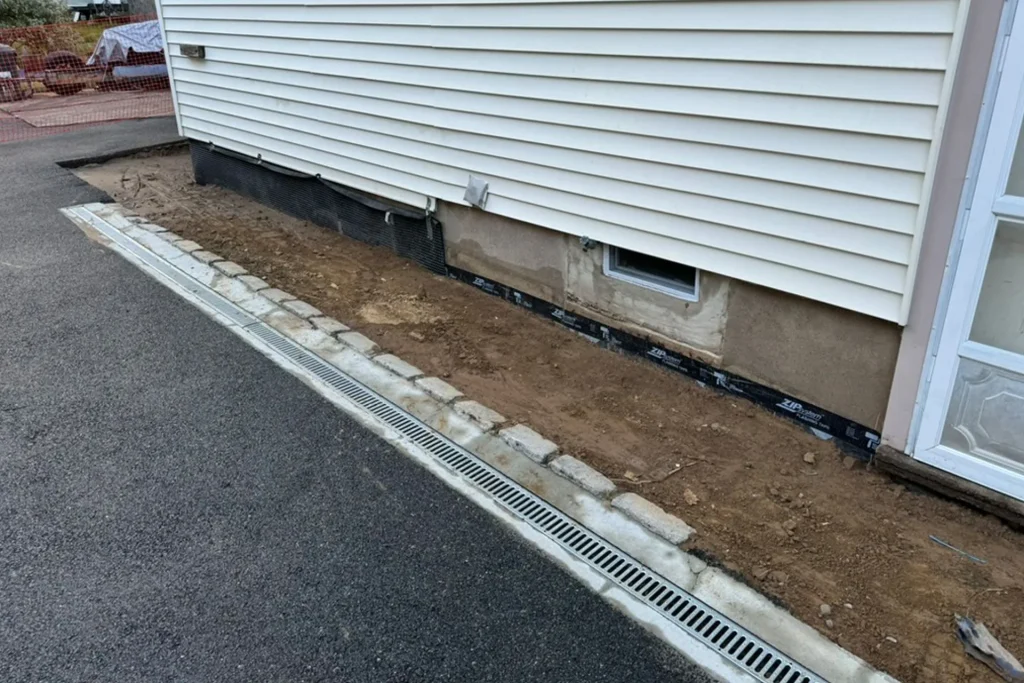
Exterior waterproofing focuses on keeping water from reaching the foundation wall in the first place. This usually involves excavation, cleaning the wall, repairing cracks, applying a waterproof membrane, installing drainage board, and making sure footing drains are functional. When done properly, it addresses the root of the problem, but it is labor-intensive and therefore more expensive.
Interior waterproofing is more about managing water that enters or accumulates around the foundation. It often includes a perimeter drain system along the basement floor, a sump pump, vapor barriers on walls in crawl spaces or unfinished basements, and dehumidification. Some homeowners are disappointed when they learn this is not literally "sealing water out" from the exterior, but in many cases it is a practical and reliable solution.
Foundation crack repair is its own category. A vertical crack caused by shrinkage may be repaired with epoxy or polyurethane injection. A structural crack that is widening, displaced, or accompanied by bowing walls requires a more serious evaluation. The right repair depends on whether the crack is letting in water, indicating movement, or both.
Crawl space waterproofing also matters, especially in older New Jersey homes. Damp crawl spaces can lead to mold, wood rot, pest activity, and poor indoor air quality throughout the house. Because stack effect pulls air upward, air from a crawl space does not simply stay there. It can affect the living area above.
Window well drainage, sump pump installation, battery backup systems, French drains, grading correction, gutter and downspout improvements, and dehumidifier setups all fall into the broader waterproofing conversation. A competent contractor should be able to explain which category your home falls into and why.
The warning signs homeowners should not ignore
Water rarely announces itself dramatically at first. More often, it leaves a series of clues that are easy to explain away until they become impossible to ignore.
Here are the signs I would take seriously in any New Jersey home:
- A musty odor in the basement or crawl space that returns even after cleaning
- White chalky residue on foundation walls, often called efflorescence
- Peeling paint, bubbling wall finishes, or warped base trim near basement floors
- Rust on furnace bases, water heaters, or metal shelving stored in lower levels
- Damp spots, puddles, or visible seepage after heavy rain
Efflorescence deserves special mention because homeowners often mistake it for harmless staining. It is caused by water moving through masonry and leaving mineral deposits behind as it evaporates. The minerals themselves are not the problem. The moisture movement is.
A basement can also be "wet" without standing water. If the relative humidity stays high for long stretches, belongings absorb moisture. Books curl. Fabric smells stale. Tools flash-rust. Flooring adhesives fail. These are all moisture problems, and they can be just as frustrating as visible leaks.
Interior vs. Exterior waterproofing, what each does well
Homeowners naturally want the strongest, most permanent fix. Sometimes that is exterior waterproofing. Sometimes it is not. The best choice depends on access, budget, the type of foundation, and the actual failure point.
Exterior waterproofing is often the better option when the foundation wall is directly taking on water because the original membrane failed, the footing drains are missing or compromised, or the foundation material is highly permeable. It also makes sense during major foundation repair or when there is already excavation planned for another reason. If a home has severe seepage through multiple wall sections, exterior work may spare the owner from repeated interior management.
The drawback is disruption. Excavation can affect patios, walkways, shrubs, fences, HVAC lines, and tight side-yard access. In some neighborhoods, houses are so close together that full exterior access is difficult or impossible without significant logistics. Costs rise quickly in those situations.
Interior waterproofing shines when the goal is dependable water control with less disturbance. A properly installed interior drain system relieves pressure under the slab and channels water to a sump basin before it spreads across the floor. For many homes with recurring seepage, especially finished basements where excavation is not practical, this is a sensible solution.
The mistake is assuming that either system works in isolation from exterior water management. Even the best interior system performs better when gutters are clear, downspouts discharge well away from the foundation, and grading slopes away from the house. Waterproofing is a system, not a single product.
Sump pumps are not optional in many basements
A sump pump tends to be noticed only when it fails. Yet in many homes, it is the single most important piece of equipment protecting the lower level.
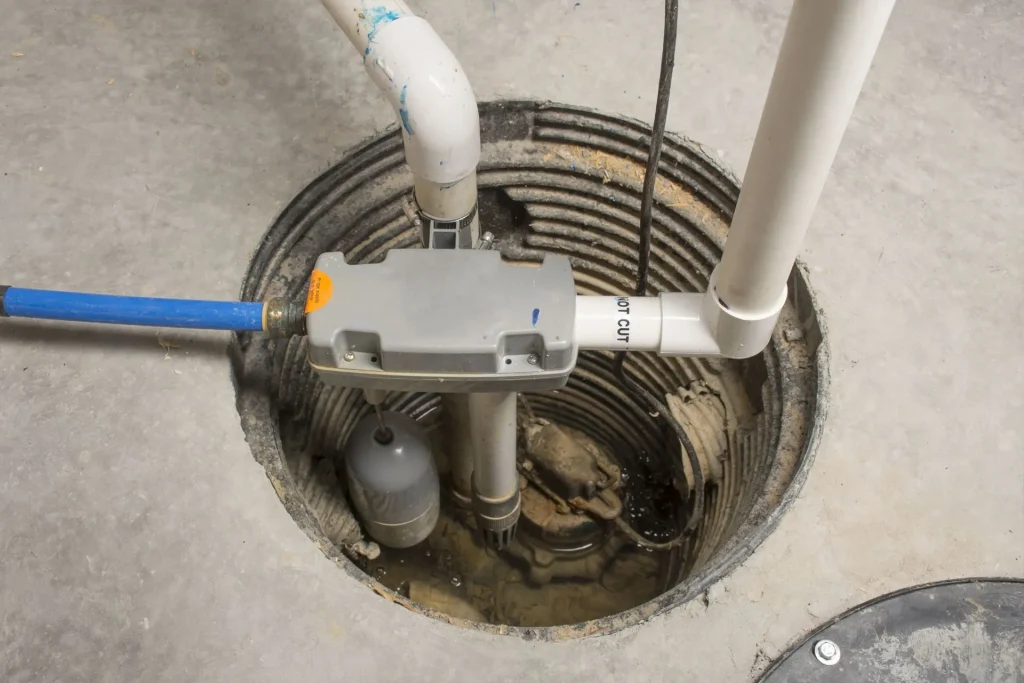
In New Jersey, a sump pump often has to handle large volumes of water during storm events. If the pump is undersized, old, clogged with sediment, or plugged into an unreliable circuit, the risk rises sharply. A finished basement with furniture, drywall, flooring, and electronics can suffer thousands of dollars in damage from one failed pump during a summer thunderstorm.
Battery backup systems are worth serious consideration. Power outages and heavy rain often happen together. That pairing is precisely when a standard sump pump is most vulnerable. Water-powered backup systems can also be used in some homes, although they depend on municipal water pressure and are not appropriate in every situation.
I have seen homeowners spend a substantial amount on basement refinishing while trying to save a few hundred dollars on pump quality or backup protection. That is a poor trade. If the basement has any history of moisture, pump reliability should be treated as part of the renovation budget, not as an afterthought.
Foundation cracks, when a leak is cosmetic and when it is not
Not every crack means the house is in trouble. Concrete shrinks as it cures. Small vertical cracks are common. What matters is size, pattern, movement, and location.
A narrow vertical crack that leaks during storms may be a good candidate for polyurethane injection if the goal is to stop water infiltration. Epoxy injection is often used when structural bonding is needed, though the right choice depends on the crack condition and whether the wall is actively moving. A qualified contractor should be able to explain why one material makes more sense than another.
Horizontal cracks are more concerning. So are stair-step cracks in block foundations, bowing walls, shearing displacement, or cracks that appear to widen over time. Those conditions may point to soil pressure or structural movement rather than simple shrinkage. Waterproofing alone is not enough if the wall itself needs stabilization.
This is where homeowners can get misled by oversimplified sales pitches. A tube of sealant on the inside face of a wall is not a structural repair. It may mask the symptom for a little while, but it does not address pressure, movement, or drainage conditions outside the wall.
Crawl spaces deserve more attention than they usually get
Crawl spaces are easy to ignore because most people do not spend time in them. That makes them one of the most common sources of hidden moisture trouble.
A vented, dirt-floor crawl space in a humid New Jersey summer often becomes a moisture trap. Warm, damp air enters, cools, and condenses on surfaces. Ground moisture evaporates upward. Insulation sags. Wood framing absorbs moisture. Over time, that can contribute to mold growth, rot, and even cupped flooring above.
Encapsulation can be a major improvement when done correctly. That usually means covering the ground with a durable vapor barrier, sealing seams, addressing drainage if water is entering, insulating appropriately, and controlling humidity. If there is standing water in the crawl space, however, the drainage issue has to be solved first. Plastic alone is not a cure for bulk water.
Some of the healthiest crawl spaces I have seen are not the ones with the fanciest products. They are the ones where the contractor first solved the source of water, then created a clean, sealed environment that could actually stay dry.
Outside the house, small details make a large difference
A surprising number of wet-basement calls trace back to simple exterior drainage failures. This is good news for homeowners, because some of the most effective measures are not the most expensive.
When roof runoff pours directly at the base of the house, the soil saturates quickly. If that area also has settled grading, a sunken mulch bed, or a sidewalk pitching inward, water collects exactly where you do not want it. In older neighborhoods, it is common to find downspouts discharging only a foot or two from the wall. That might not matter in a light rain. It matters a lot in a multi-inch storm.
A homeowner in Union County once described a "mystery leak" that only appeared in one finished basement corner after intense rain. The basement had been checked twice. Crack repairs had already been done. The actual problem was a rear downspout discharging into a buried line that had collapsed near the foundation. Water was backing up underground and loading that corner with more water than the soil could drain. The basement leak stopped only after the drainage path outside Waterproofing services NJ was corrected.
That kind of situation is common. It is also why any honest assessment of waterproofing services NJ companies provide should include an exterior inspection before recommending interior systems alone.
What a good waterproofing inspection should cover
A proper inspection should feel more like investigation than sales. The contractor should ask when the water appears, how often it happens, whether it is tied to rain or snowmelt, and whether there are odors or humidity issues even in dry weather. They should look at the exterior first, then the interior, then connect the dots.
At a minimum, I would expect the inspection to address these areas:
- Roof drainage, including gutters, downspouts, and discharge points
- Grading, hardscape slope, and places where water collects near the house
- Foundation condition, including cracks, seepage marks, and efflorescence
- Existing drainage systems, sump pump operation, and backup protection
- Moisture conditions in basements or crawl spaces, including humidity and air movement
If the recommendation comes too quickly, be cautious. Waterproofing is one of those trades where the same symptom can have several causes. A contractor who jumps straight to a full system without explaining the diagnosis may be selling a standard package rather than solving your house's specific problem.
Cost expectations in New Jersey
Costs vary widely, and any honest discussion should leave room for that. New Jersey pricing is influenced by labor rates, permit requirements in some municipalities, excavation access, home age, and the complexity of the drainage issue.
A straightforward crack injection might cost a few hundred to over a thousand dollars depending on crack length, accessibility, and whether multiple cracks are involved. A sump pump replacement with improved discharge piping may run from the high hundreds into a few thousand if backup protection and electrical work are part of the scope. Interior perimeter drainage systems usually range much higher, often into several thousand dollars or more depending on basement size and finishing conditions. Exterior waterproofing with excavation tends to be among the most expensive options and can climb significantly if access is tight or landscaping and hardscaping must be restored.
Those numbers shift with market conditions, so the better approach is to compare scopes, not just totals. Two estimates can look similar in price while covering very different levels of work. One may include wall treatment, a sealed sump basin, battery backup, and discharge improvements. Another may omit half of that. The cheaper option is not cheaper if it leaves the real problem in place.
Questions worth asking before hiring a contractor
Most homeowners are not expected to know the technical side of membranes, drainage mat profiles, or pump curves. They should, however, know how to judge a proposal.
Ask what the contractor believes is causing the water issue. Ask where the water is entering or building pressure. Ask whether the recommendation is managing water, blocking water, or both. Ask what maintenance the system needs, especially for pumps and discharge lines. Ask what is covered by warranty, and whether the warranty applies to materials, workmanship, or ongoing water intrusion under defined conditions.
It is also smart to ask who will actually perform the work. Some companies have excellent sales staff but inconsistent crews. Others rely heavily on subcontractors. The quality of waterproofing often depends on installation discipline, especially at details like corners, seams, cleanouts, discharge routing, and pump basin setup.
A contractor who can walk you through these details in plain English is usually worth listening to.
Waterproofing during renovations is often cheaper and smarter
If you are already planning a basement remodel, home addition, major landscape rework, or foundation repair, that is the time to think seriously about waterproofing. Access is better, finishes are not yet in the way, and labor can often be coordinated more efficiently.
This matters especially for finished basements. Homeowners sometimes renovate first and address moisture later, which is backwards. Drywall, flooring, insulation, trim, and custom built-ins do not belong in a space with unresolved seepage or humidity. Even if you do not have obvious flooding, elevated moisture can damage materials slowly and quietly.
The same logic applies outside. If a patio is being replaced or a side yard is already being opened up, it may be the ideal time to repair an exterior membrane or improve drainage. Coordinating the work can save both money and disruption.
Maintenance after the waterproofing work is done
A waterproofing system is not something you install and forget forever. Even a very good setup needs occasional attention.
Gutters need to stay clear. Downspout extensions need to remain connected and sloped correctly. Sump pumps should be tested, especially before storm season. Battery backups have batteries that age out. Dehumidifiers need filter cleaning and drainage checks. Window wells need to stay free of debris that traps water against the glass and frame.
Homeowners sometimes assume a warranty replaces maintenance. It does not. The house still needs water to be directed away from it every day, in every season.
One practical habit helps more than most people realize: check the basement during or immediately after a heavy rain at least a few times a year. Look, listen, and smell. Is the sump running normally? Is there dampness at wall-floor joints? Has the air changed? Problems caught early are almost always cheaper to solve.
Choosing the right fix for your home
The right waterproofing approach is the one that matches the actual failure point in your house. A finished basement with occasional perimeter seepage may benefit most from an interior drain and sump upgrade. A foundation with chronic wall penetration and failed exterior protection may call for excavation and membrane work. A damp crawl space may need drainage, encapsulation, and humidity control in combination. A "wet basement" may turn out to be mostly a roof-water problem.
That is why broad claims should make homeowners skeptical. No single product or method solves every water issue. Good waterproofing services are built around diagnosis, drainage logic, installation quality, and realistic expectations.
For New Jersey homeowners, that judgment matters because our homes face real moisture pressure. Rain is not the only factor. Soil behavior, humidity, home age, and changing weather patterns all affect performance. A house that stayed mostly dry for twenty years can develop water trouble after one downspout failure, one grading change, or one season of unusually heavy storms.
The best time to deal with water is before it becomes visible damage. If your basement smells musty, your crawl space stays damp, or your walls show the first signs of seepage, it is worth getting a serious assessment. Not a rushed sales visit, a real assessment. The goal is not to buy the biggest system. The goal is to keep the house dry, healthy, and structurally sound for the long run.
When homeowners understand what waterproofing services NJ contractors actually provide, they make better decisions. They ask better questions. They spend money where it solves the problem instead of where it only covers the symptom. And in a state where water can test a house from every direction, that difference matters.
ARD Waterproofing
Address: 98 Smull Ave, West Caldwell, NJ 07006
Phone number: +12016465936
FAQ About Waterproofing Services NJ
How much can waterproofing cost?
Stephanie holds a bachelor's degree in journalism from California State University, Long Beach. Basement waterproofing costs around $13,640 on average for a 1,000-square-foot basement, but estimates can range from $12,447–$14,833, depending on the severity of the issue.
Which company is best for waterproofing?
The "best" company depends on your specific need—whether you are looking for local contractors to fix a wet basement or global manufacturers providing commercial-grade chemicals.
What is the best time to do waterproofing of your home?
As the rains subside, it makes for the perfect time to work on waterproofing your home. With no high temperatures and harsh rains to disrupt the process of waterproofing your home, you get to rapidly protect your home in time.